Double Locked Wood Stove Pipe Flashing Built to Last
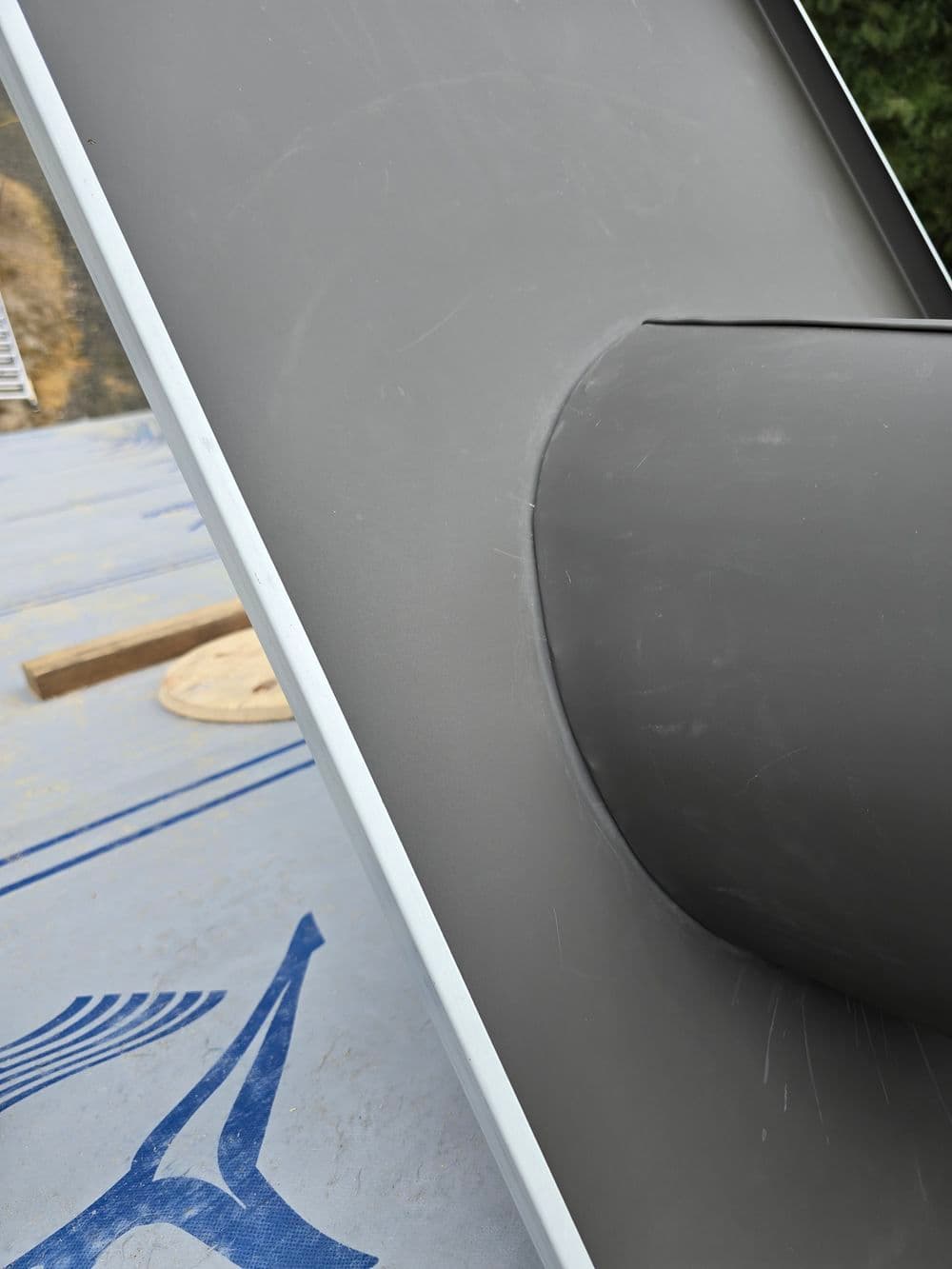
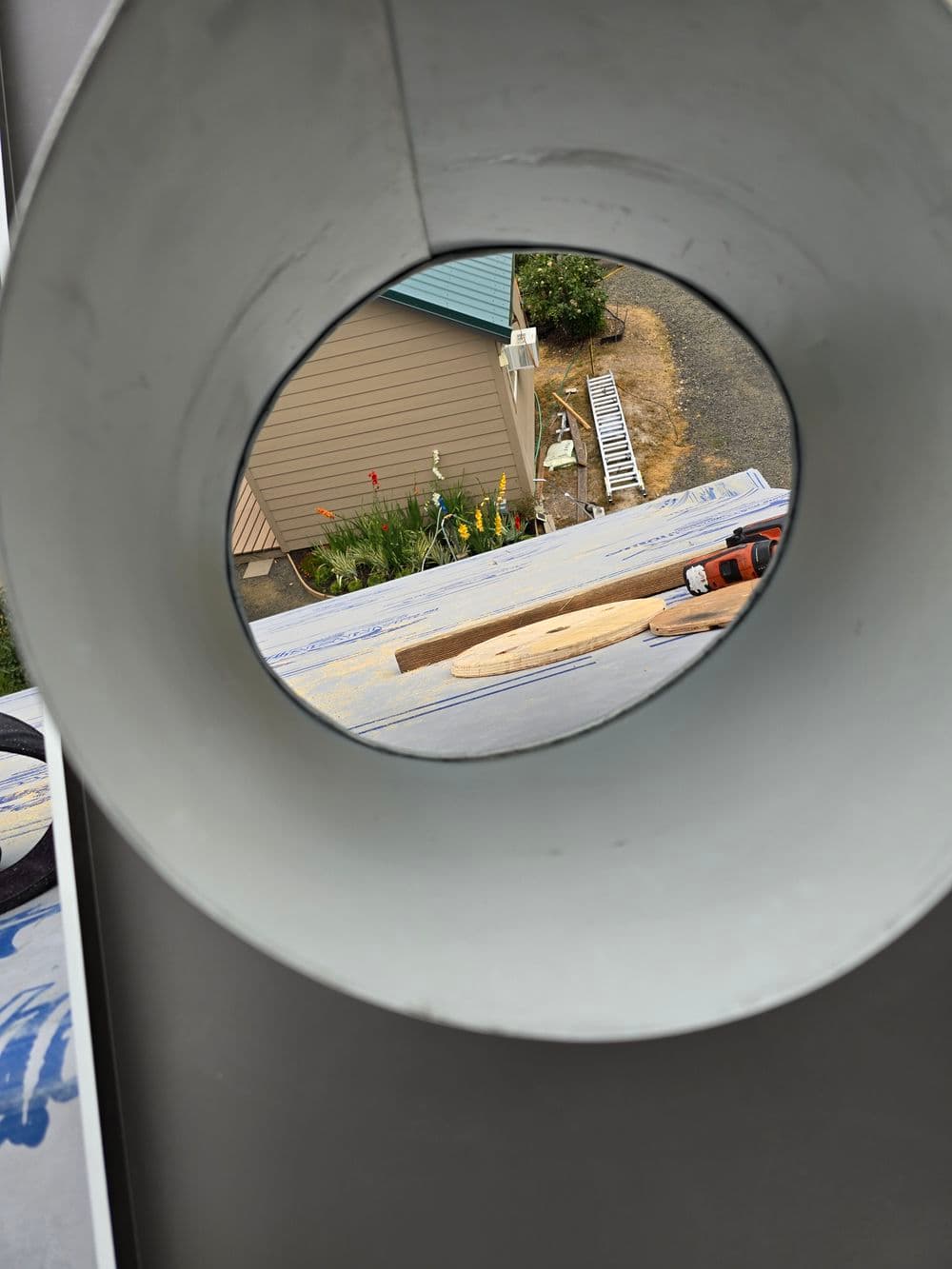
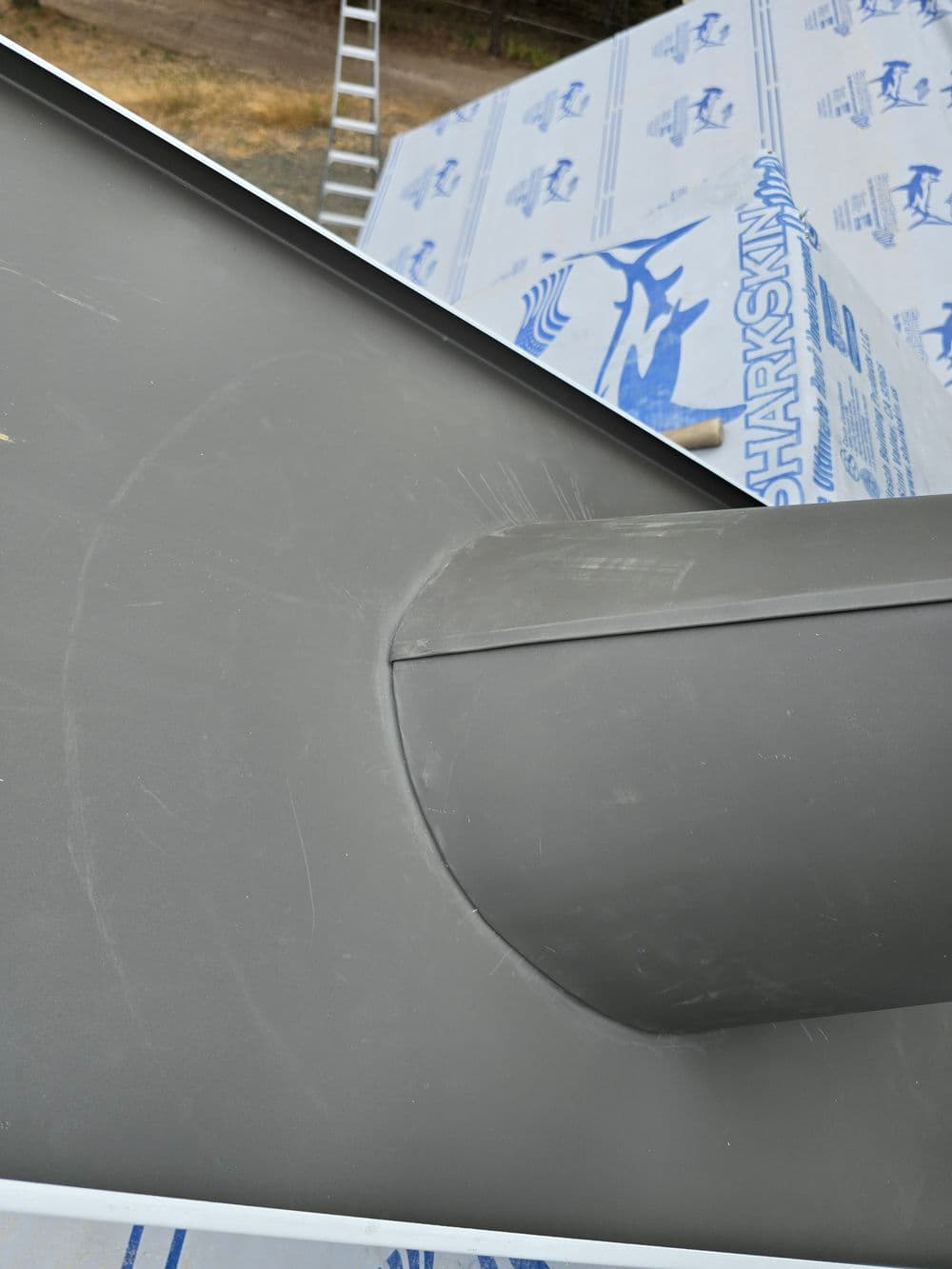
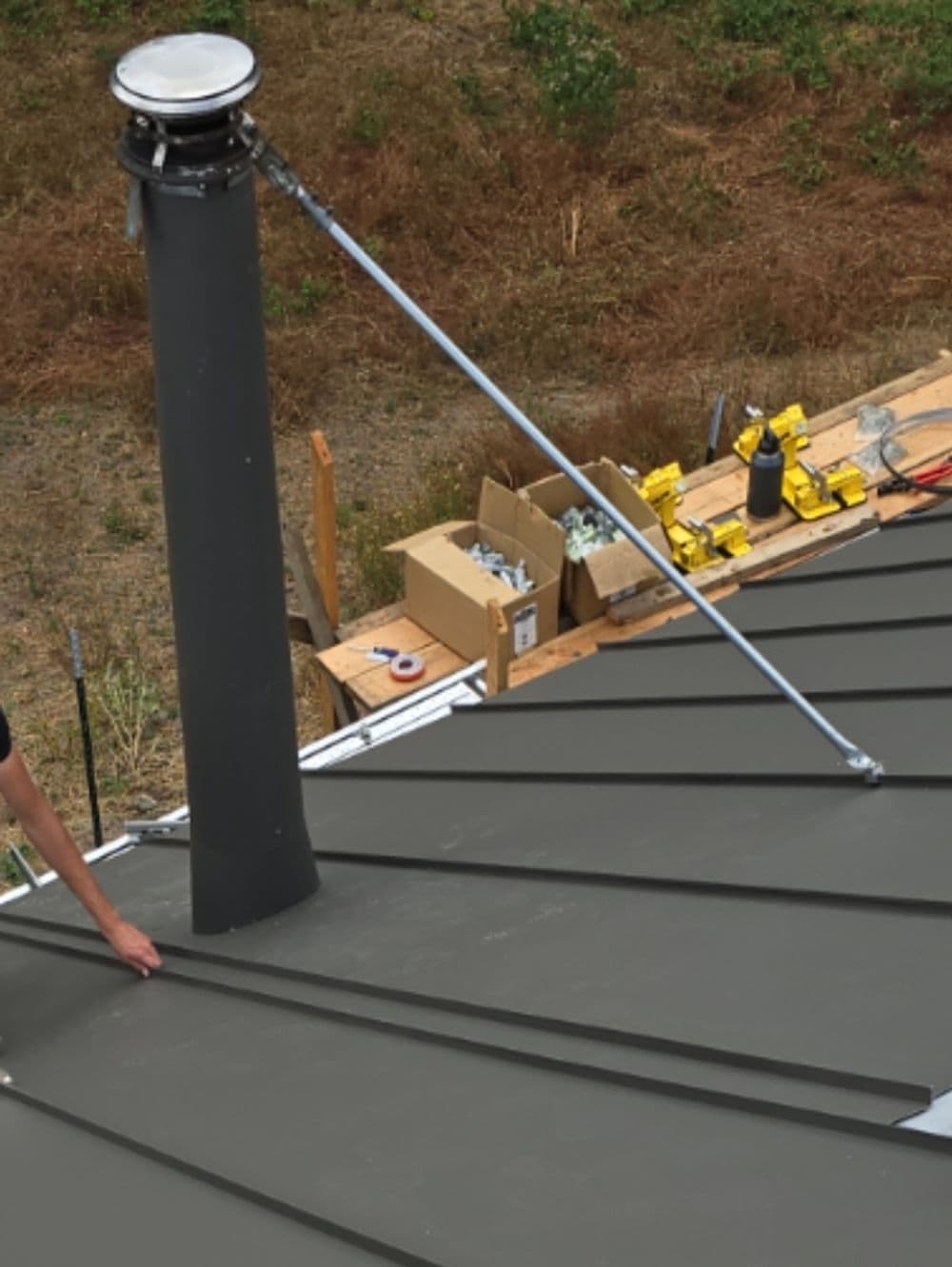
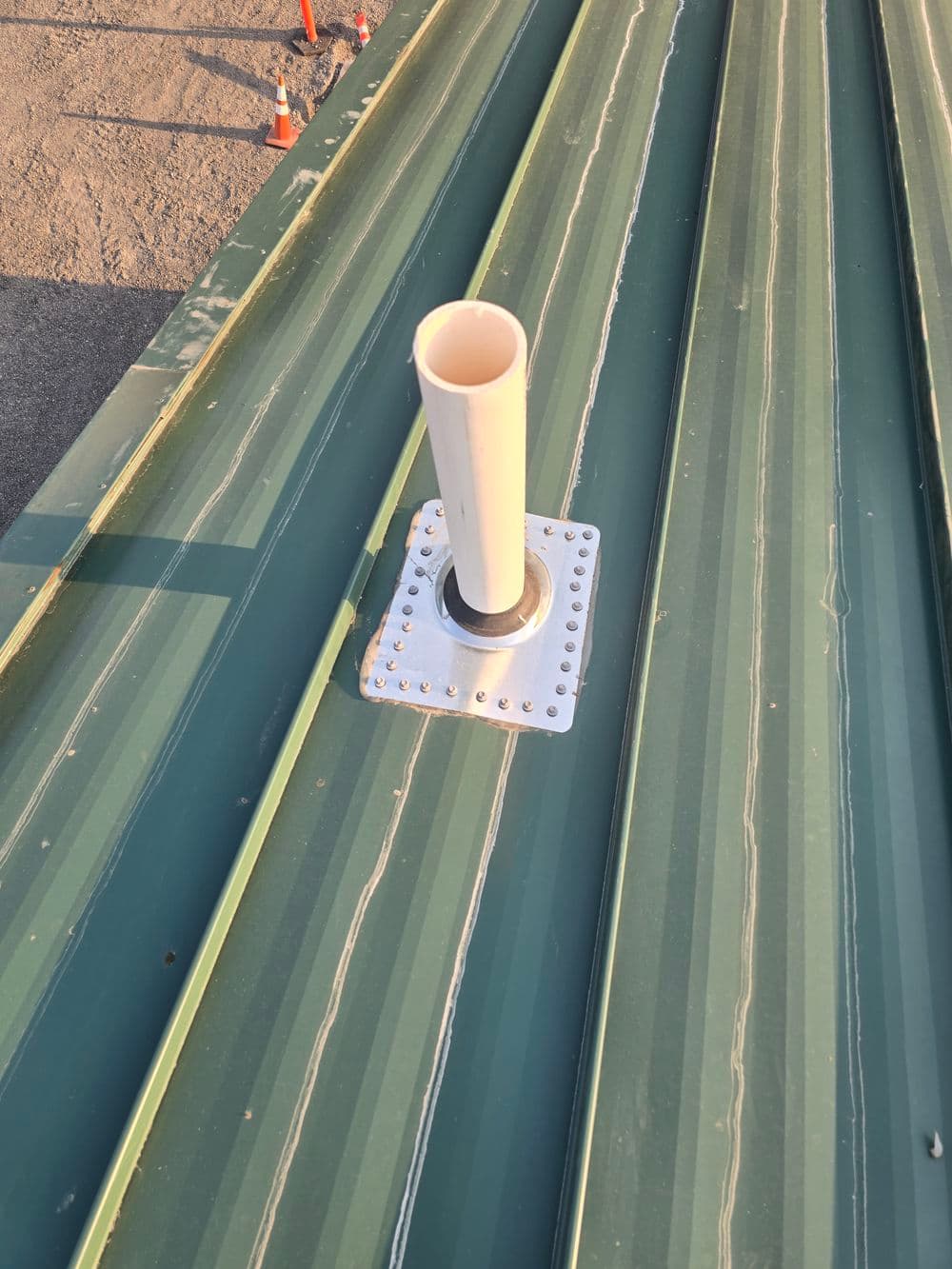
Most pipe flashings on metal roofs are an afterthought. A flat plate, a rubber boot, a ring of sealant, and a handful of exposed screws. It looks fine on day one. Fast forward two years and that sealant is cracking, the screws are backing out, and water is finding its way in. We see it constantly out here in St Maries and the surrounding Idaho area.
The double locked flashing we installed here is a completely different animal. No sealant. No exposed fasteners. The flashing is mechanically locked the same way the rest of the standing seam panels are - meaning it moves with the roof as temperatures shift, instead of fighting against it. That ability to flex with the roof is exactly why standard sealant-based flashings fail so quickly on metal roofs.
We also added a cover on top of the pipe. That does two things - it keeps water out of the pipe opening, and it matches the color and profile of the surrounding roof so the whole thing looks like it belongs there. That last part matters more than people think. A silver stack with an aluminum plate screwed down flat against a metal panel is going to stand out forever. Our installation disappears into the roof.
The competitor flashing we included for comparison tells the whole story. Rows of exposed screws punching through a flat plate, a rubber gasket relying entirely on sealant compression, and zero ability to accommodate roof movement. That's a leak waiting to happen - and when it does, the water damage inside the home is almost always worse than the repair cost would have been. We just don't build things that way.